A practical sourcing guide for cautery pencils, electrodes, electrode pads, cables, plugs and related electrosurgical accessories
Diathermy accessories are essential to many electrosurgical purchasing conversations, but they are often reviewed too late in the sourcing process. Hospitals, clinics and medical distributors may begin with electrosurgical instruments or forceps, then later realise they also need diathermy accessories such as electrodes, cautery pencils, electrode pads, cables and plugs. Reviewing these products early can help buyers reduce delays, improve quotation accuracy and make supplier conversations more efficient.
Buyers should evaluate diathermy accessories by confirming product type, quantity, packaging expectations, documentation needs, connection requirements and related surgical products before ordering. Hospitals, clinics and distributors should review diathermy electrodes, cautery pencils, electrode pads, cables and plugs as connected categories within wider electrosurgical procurement.
Why Diathermy Accessories Deserve Early Procurement Attention
Diathermy accessories are often part of a wider surgical sourcing requirement. A buyer may need forceps, bipolar instruments, procedure pack components and diathermy accessories within the same purchasing cycle. If accessories are discussed late, procurement teams may need to reopen supplier conversations, request additional documentation and revise quotations.
Healthcare buyers can create a smoother sourcing process by reviewing accessories alongside electrosurgical instruments and related surgical products from the beginning. This helps suppliers understand the full requirement and respond with more useful product information.
Procurement insight: A strong diathermy accessory enquiry should include the accessory type, expected quantity, packaging preference, documentation needs, destination market and any related instruments or procedure pack requirements.
Common Diathermy Accessories Buyers Should Review
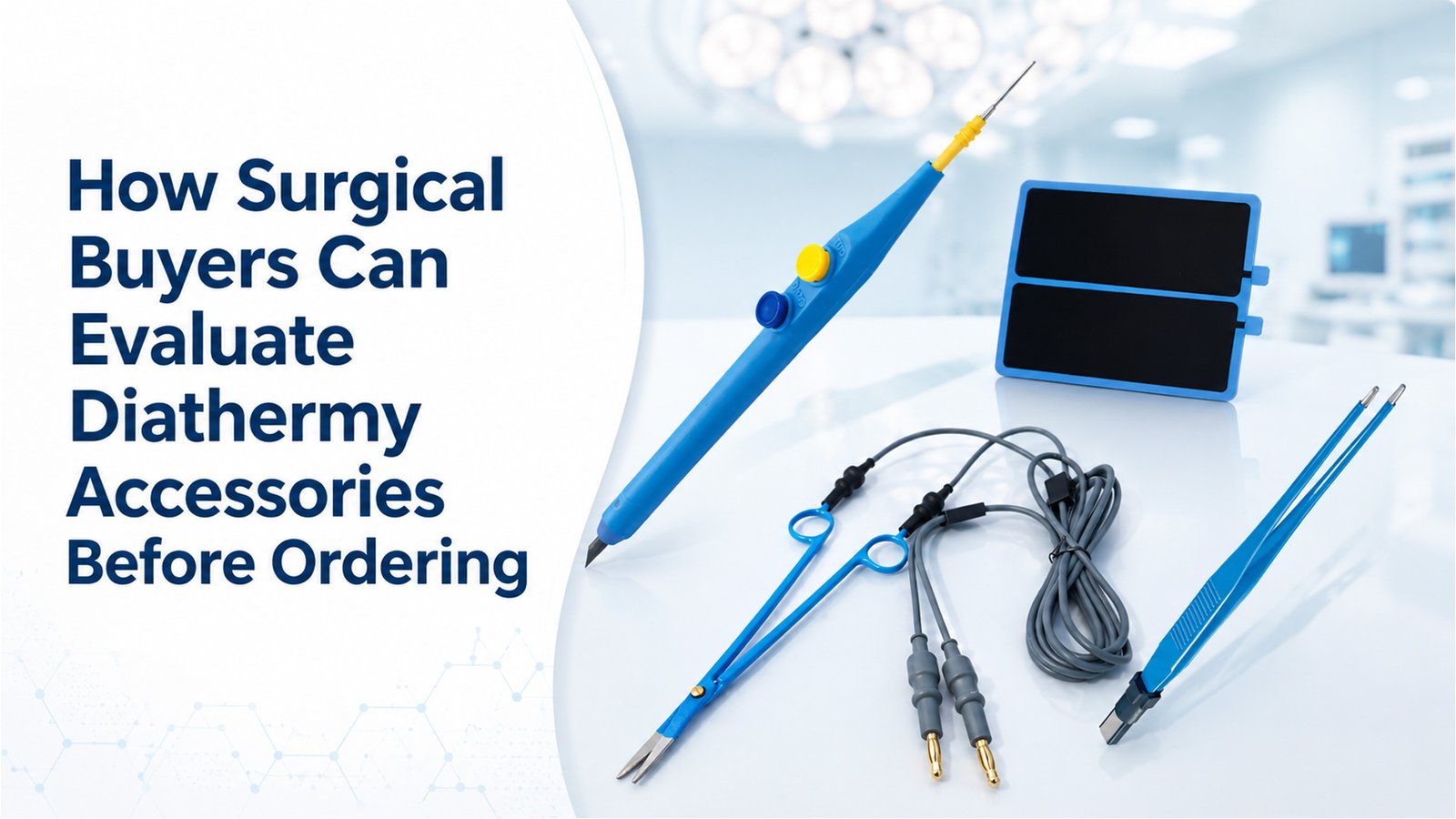
- Diathermy electrodes for relevant electrosurgical accessory requirements.
- Diathermy cautery pencils for connected surgical workflows.
- Electrode pads and return electrode options where applicable.
- Diathermy cables and plugs for connection-related procurement discussions.
- Electrosurgical forceps when accessories are sourced alongside instrument requirements.
- Bipolar forceps when connection details or compatible accessory discussions are needed.
- Procedure packs when accessories are part of a defined surgical kit.
How to Evaluate Diathermy Accessories Before Requesting a Quote
- Confirm the Exact Accessory Type
Buyers should clarify whether the enquiry is for diathermy electrodes, cautery pencils, electrode pads, cables, plugs or a combined accessory requirement. Clear product identification helps avoid supplier confusion and supports faster quotation preparation.
- Define Quantity and Purchasing Pattern
Expected order volume matters. Hospitals may need recurring supply, while distributors may be quoting for multiple healthcare customers. Even when quantities are estimated, sharing likely purchasing patterns can help suppliers respond more accurately.
- Request Product and Quality Information
Procurement teams often need product details, packaging information, catalogue resources and quality-related information before approving supply. Buyers reviewing supplier processes can refer to quality policy information from Cosil Instruments as part of a wider supplier review.
- Discuss Related Instruments and Packs
Diathermy accessories may be sourced alongside electrosurgical forceps, bipolar forceps, cables, plugs or procedure pack components. Discussing connected requirements early can help buyers avoid repeated enquiries and make the purchasing process more efficient.
Supplier-side perspective: Suppliers can support buyers more effectively when enquiries include product category, quantity, packaging expectations, documentation requirements and any related surgical products needed in the same sourcing cycle.
Diathermy Electrodes and Cautery Pencils
Diathermy electrodes and diathermy cautery pencils are often reviewed together when buyers have a broader electrosurgical accessory requirement. Procurement teams should request product details, packaging information and documentation support before confirming supply.
When these products are sourced for distributor-led supply, product descriptions should be clear enough to support customer quotations and catalogue preparation. This is especially important when hospitals or clinics need to review accessory details before approving purchase.
Electrode Pads, Cables and Plugs
Electrode pads, cables and plugs may be needed as part of a wider electrosurgical accessory enquiry. Buyers should avoid leaving connection-related discussions until the final stage of procurement. Early clarification helps reduce delays and supports a more complete supplier response.
- Electrode pads: Confirm product type, quantity, packaging expectations and documentation needs.
- Cables: Discuss connection-related requirements where relevant.
- Plugs: Include plug requirements early when they are part of the accessory request.
- Related products: Mention any forceps, bipolar instruments or procedure packs required in the same order cycle.
Why Distributors Need Clear Diathermy Accessory Information
Medical distributors need product information that can be shared confidently with healthcare customers. If descriptions are unclear or packaging details are missing, distributor teams may struggle to prepare quotations quickly. A reliable supplier should provide clear product naming, organised category information, practical documentation support and responsive quotation communication.
For distributors reviewing electrosurgical categories, electrosurgical instruments and related accessory ranges can be discussed together to support a more complete customer sourcing response.
Distributor insight: Diathermy accessories are easier to quote when product categories, descriptions, packaging details and documentation requirements are clearly discussed at the beginning of the enquiry.
Procedure Packs and Diathermy Accessories
Some buyers need diathermy accessories as part of a wider surgical kit. In this situation, procedure packs can help organise related products into a defined purchasing format. A procedure pack discussion should include the accessory types, quantities, packaging expectations, documentation needs and repeat purchasing requirements.
For buyers planning custom kit configurations, procedure packs can support a more structured approach to sourcing surgical components and electrosurgical accessories together.
Questions to Ask Before Ordering Diathermy Accessories
- Which diathermy accessories are required?
- Are electrodes, cautery pencils, electrode pads, cables or plugs needed together?
- What quantity is expected for the first order?
- Will the products be reordered regularly?
- What documentation is needed for internal review?
- Are related forceps or bipolar instruments required?
- Should any accessories be included in a procedure pack?
- Are packaging expectations clearly defined?
FAQs About Diathermy Accessories
What are diathermy accessories?
Diathermy accessories may include products such as diathermy electrodes, cautery pencils, electrode pads, cables, plugs and related electrosurgical accessories used within broader surgical procurement requirements.
Should diathermy accessories be reviewed with electrosurgical instruments?
Yes. Reviewing accessories alongside electrosurgical instruments can help buyers identify connected requirements early and reduce repeated supplier communication.
Can diathermy accessories be included in procedure packs?
They may be included when the buyer requires a defined surgical kit. Pack contents, quantities, packaging expectations and documentation needs should be agreed before quotation.
What should buyers include in a diathermy accessory enquiry?
A useful enquiry should include accessory type, quantity, packaging expectations, documentation needs, destination market and any related instruments or procedure pack requirements.
Final Thoughts
Diathermy accessory sourcing becomes easier when buyers review products as connected categories. By discussing electrodes, cautery pencils, electrode pads, cables, plugs, forceps and procedure packs early, hospitals, clinics and distributors can improve quotation accuracy and reduce unnecessary procurement delays.