Sourcing Electrosurgical Instruments? What UK & Swiss Buyers Should Check Before Ordering
Professional buyers searching for Electrosurgical Instruments rarely need a generic product catalogue alone. Hospitals, private clinics, medical distributors, healthcare procurement organisations and OEM supply partners need clearly identified products, measurable specifications, appropriate connection information and documentation that relates to the exact product being considered.
Cosil Instruments supports manufacturer-direct sourcing of electrosurgical products for professional buyers, with the United Kingdom and Switzerland as key international markets and Australia as an additional supply market. The objective is to make each enquiry more precise by connecting the product family, configuration, cable or connector requirements, intended equipment, quantity, packaging and documentation within one structured purchasing process.
Quick Answer: Electrosurgical Instruments can include bipolar forceps, insulated electrosurgical forceps, specialised bipolar instruments, cautery handpieces, active and specialised electrodes, patient return products, electrosurgical cables, plugs, generators and related accessories. Professional buyers should select these products by exact configuration and reference rather than relying on a broad category name.
What Are Electrosurgical Instruments?
Electrosurgical Instruments are instruments and connected accessories used within electrosurgical equipment arrangements. The term covers several product families rather than one interchangeable group of instruments.
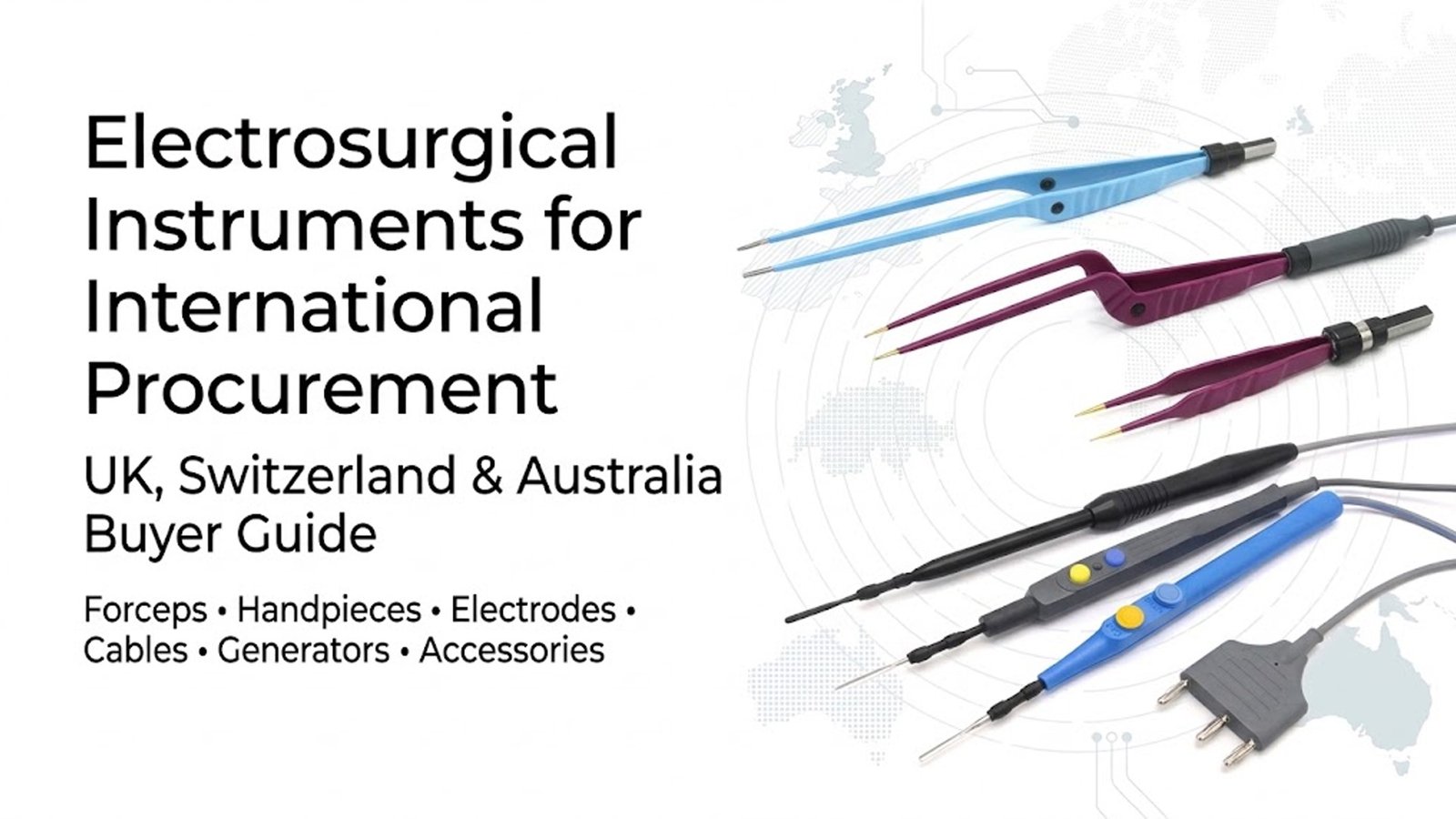
Depending on the purchasing requirement, an electrosurgical portfolio may include reusable or single-use forceps, bipolar instruments, electrosurgical pencils and handpieces, active electrodes, specialist ENT, arthroscopic and laparoscopic electrodes, patient return products, cables, plugs and electrosurgical generators.
The differences between individual references matter. Two forceps may appear similar but differ in tip dimensions, overall length, instrument profile, insulation or connection. Two electrodes may share the same general working-end name while having different shaft dimensions, angles, handpiece interfaces or use classifications.
For that reason, professional procurement should begin with the exact product family and then progress to the specification that identifies an orderable product.
Why Work With an Electrosurgical Instruments Manufacturer?
Working directly with an Electrosurgical Instruments Manufacturer can give hospitals, distributors and procurement teams a more direct route to product-level information.
Instead of requesting a generic quotation for surgical forceps or electrodes, buyers can discuss the pattern, dimensions, working tip, cable arrangement, connector, equipment information, packaging and expected quantity associated with the requirement.
This is especially useful when a distributor needs several variations within the same product family or when a hospital is replacing an existing instrument and wants to compare possible references against an approved specification.
Cosil Instruments is based in Sialkot, Pakistan and presents a manufacturing portfolio covering electrosurgical instruments and related surgical supply categories. Buyers evaluating manufacturer-direct sourcing can review the dedicated Electrosurgical Instruments Manufacturer resource before submitting their product requirements.
The value of manufacturer-direct communication is not simply access to more products. It is the ability to discuss a requirement using sufficient technical and commercial information to identify what is actually being requested.
Core Electrosurgical Product Categories Buyers Should Compare
A complete electrosurgical sourcing programme may involve several connected product groups. Each category should remain separately identified because its selection criteria can differ significantly.
| Product Category | Important Selection Information | Buyer Considerations |
|---|---|---|
| Bipolar Forceps | Pattern, tip dimensions, overall length, angle, insulation and connection | Cable arrangement, generator relationship, reusable or single-use format |
| Specialised Bipolar Instruments | Instrument function, dimensions, material description and working configuration | Exact product reference and associated connection requirements |
| Cautery Handpieces | Hand or foot control, electrode interface, cable and connector | Generator manufacturer and model, reusable or single-use requirement |
| Active & Specialised Electrodes | Working-end geometry, shaft diameter, working length and angle | Handpiece relationship, connection and exact product classification |
| Electrosurgical Cables & Plugs | Instrument-side fitting, generator-side plug and cable length | Complete connection chain and equipment details |
| Patient Return Products | Product format, connector and associated equipment information | Reference-specific documentation and equipment requirements |
| Electrosurgical Generators | Selected equipment configuration and associated accessories | Connected forceps, electrodes, controls, cables and return products |
Electrosurgical Forceps and Bipolar Instruments
Forceps are one of the most specification-sensitive categories within Electrosurgical Instruments. Pattern names can help narrow the requirement, but they should not replace dimensions and connection information.
Professional buyers may need to distinguish between straight, angled and bayonet configurations together with familiar forceps patterns such as McPherson, Jeweller or Adson. Overall length, working-tip profile, tip width and connection format can vary between individual references.
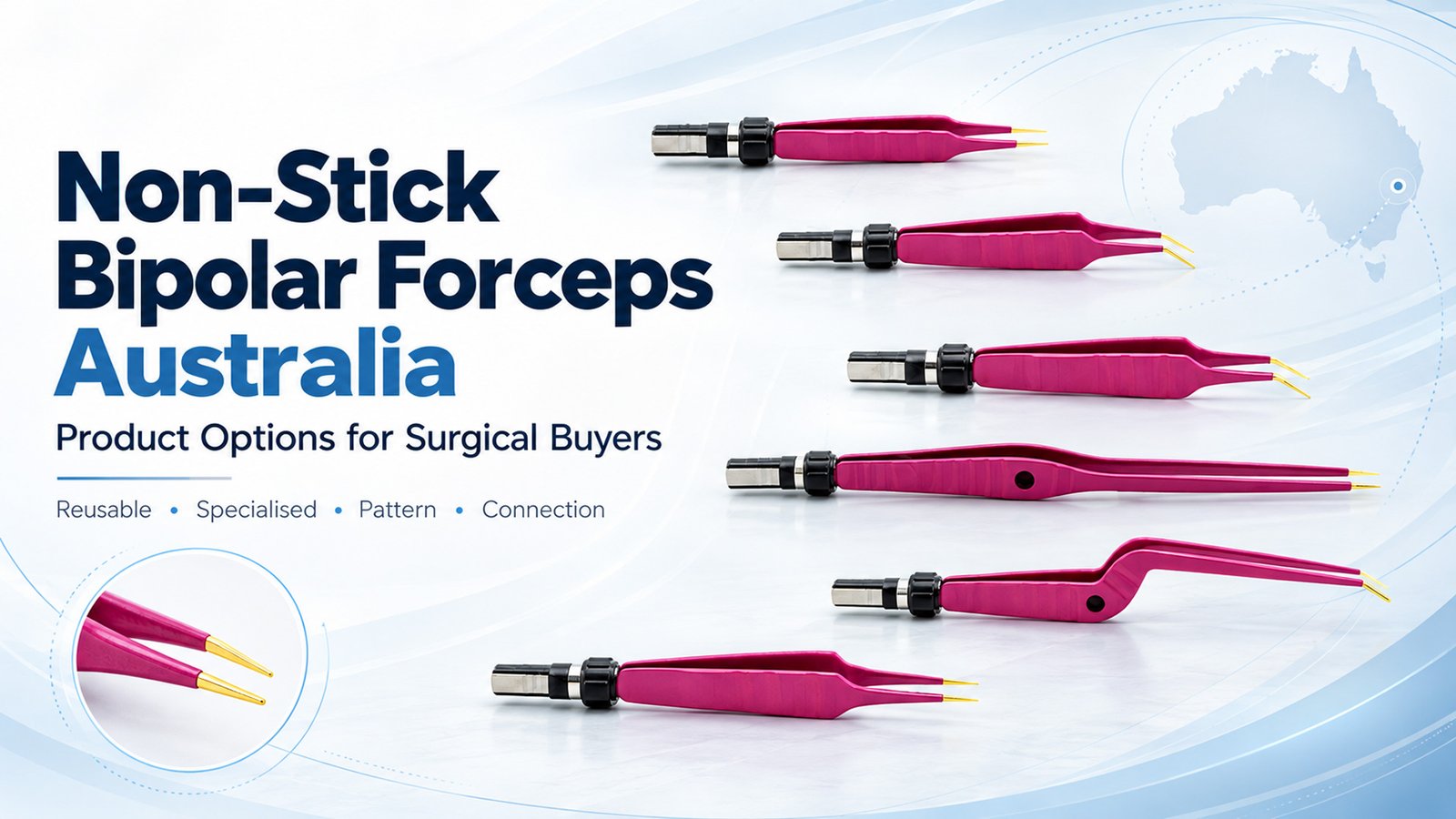
Buyers comparing standard, non-stick and specialised configurations can review the Cosil Bipolar Forceps range for additional product context.
Where reusable forceps operate through a separate cable, the instrument should not be considered independently from the cable and intended generator. The forceps-side interface, cable fitting and generator-side plug form part of the same connection chain.
Cautery Handpieces and Active Electrodes
Cautery handpieces introduce a different set of purchasing variables. A buyer may need a hand-control or foot-control configuration, a particular electrode interface, a defined cable length and a generator-end connection that corresponds with the intended equipment arrangement.
Cosil’s dedicated Cautery Pencil guide provides further information about hand-control, foot-control, detachable and single-use options.
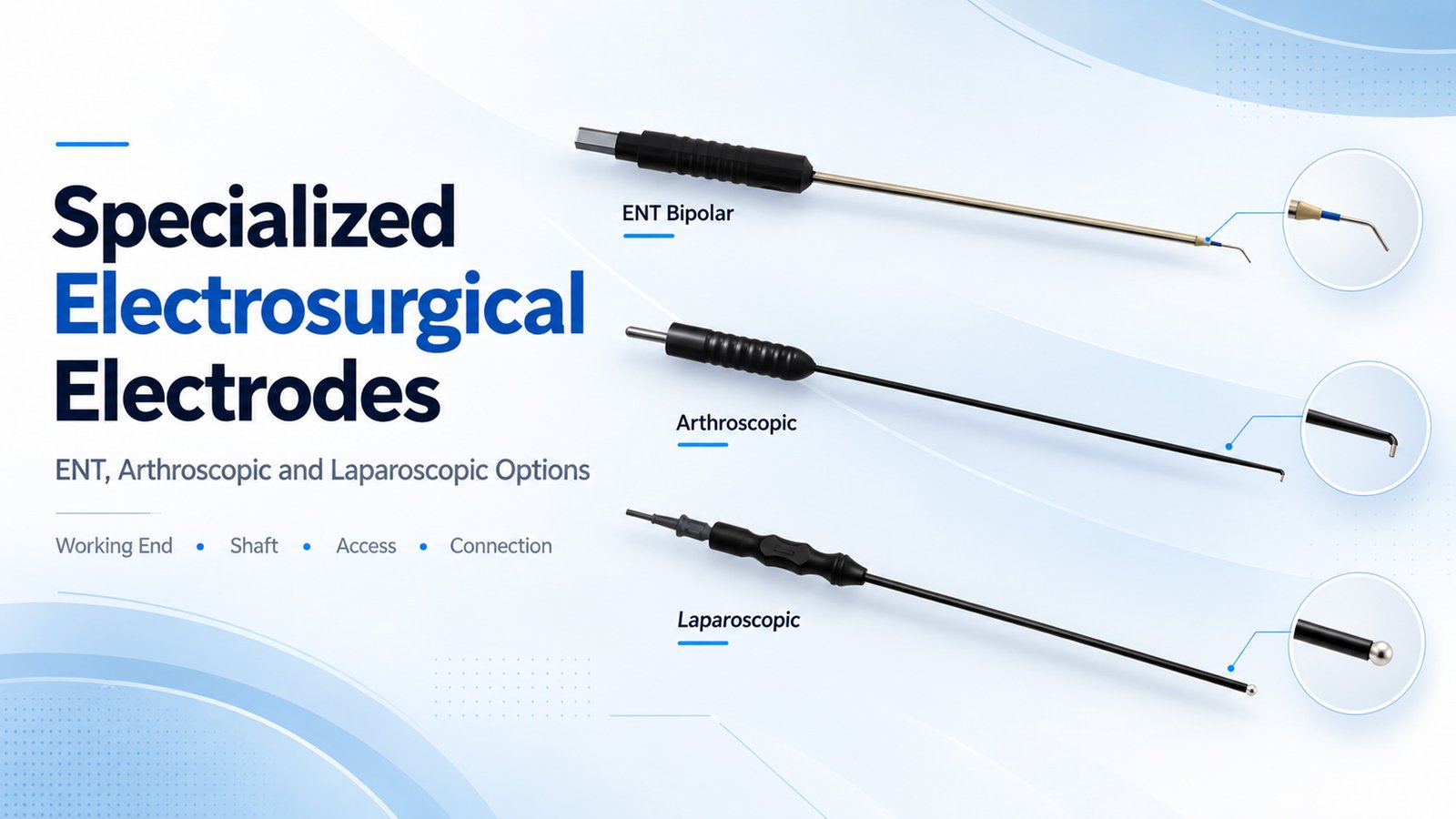
Active electrodes must also remain separately identified. Needle, knife, blade, ball, spatula and loop working ends can represent different products, while shaft diameter, working length and angle can influence the handpiece or extension with which a reference is intended to be reviewed.
Healthcare buyers evaluating these products can explore the Diathermy Electrode range, which includes active monopolar and specialised electrode categories.
Electrosurgical Cables, Plugs and Equipment Connections
Cables are frequently described using overly broad terms such as “compatible cable” or by naming only one connector. That information is rarely enough for a technically useful procurement enquiry.
A professional cable request should identify both sides of the connection. For a bipolar arrangement, this can include the forceps-side interface, the corresponding cable fitting and the generator-side plug.
The generator manufacturer and full model should also be supplied when compatibility needs to be reviewed. Physical fit or visual similarity alone should not be used as confirmation that an instrument, cable or plug is suitable for a particular generator.
This connected-system approach helps buyers reduce ambiguity before quotations, product approvals and repeat orders are prepared.
Reusable vs Single-Use Electrosurgical Instruments
Reusable and single-use products create different procurement, inventory and documentation requirements.
Reusable instruments require reference-specific handling, inspection and reprocessing information. Healthcare organisations should manage these products according to the manufacturer’s current instructions for the exact reference together with their own approved procedures.
Single-use products usually require accurate recurring stock control, packaging information and reference-level product identification. Where a single-use forceps includes an integrated cable, the instrument, cable length and generator-end connector should remain recorded under the same approved product reference.
Important: single-use status does not automatically establish sterile status. Sterile or non-sterile supply should be confirmed through the exact product reference, packaging and current documentation.
What Should Be Included in an Electrosurgical Instrument Specification?
A detailed specification helps manufacturers and suppliers respond to the actual requirement instead of interpreting a broad product name.
| Specification Area | Information to Provide |
|---|---|
| Product family | Forceps, bipolar instrument, cautery handpiece, active electrode, cable, pad, generator or other required category |
| Existing reference | Manufacturer product code, approved reference, drawing or measured existing configuration where available |
| Dimensions | Overall length, tip dimensions, shaft diameter, working length or other relevant measurements |
| Working configuration | Straight, angled, bayonet, working-end geometry or other relevant design requirement |
| Connection | Instrument interface, cable connection and generator-side connector where applicable |
| Equipment information | Generator manufacturer and exact model where connected equipment needs to be reviewed |
| Use classification | Reusable or single-use requirement |
| Commercial requirement | Estimated quantity, repeat demand, destination and purchasing programme |
| Packaging | Packaging, labelling or private-label requirements where applicable |
| Documentation | Product, quality, technical, labelling or destination-specific documentation required for review |
Hospitals and distributors requiring broader purchasing guidance can also review Cosil’s electrosurgical instrument procurement guide.
Electrosurgical Instruments UK: Procurement for Hospitals and Medical Distributors
The United Kingdom is an important market for professional surgical instrument sourcing. Buyers searching for Electrosurgical Instruments UK typically need more than product availability: they need accurate product identification, clear quotation information and documentation that can support internal procurement review.
Start With the Product Reference and Specification
UK enquiries should identify the required product category and provide an existing manufacturer reference where one is known. If the exact reference is unavailable, a controlled specification containing dimensions, working configuration and connection information gives the manufacturer a stronger basis for review.
For forceps, this may include pattern, overall length, tip dimensions, angle, insulation and connector. For electrodes, the buyer may instead need to specify working-end geometry, shaft dimensions, handpiece relationship and intended equipment.
Include Equipment Information When Connections Matter
When an electrosurgical instrument forms part of a connected equipment arrangement, UK procurement teams should provide the generator manufacturer and full model together with existing cable or accessory information.
Clear photographs can assist initial identification, but appearance should not replace reference-level confirmation.
Build Documentation Into the Enquiry
Hospitals, healthcare supply companies and medical distributors should identify documentation requirements during the sourcing stage rather than after product selection.
Product specifications, packaging information, applicable instructions and other quality or purchasing documents should remain associated with the exact reference under review.
UK buyers can explore the live Electrosurgical Instruments UK resource for additional regional product and sourcing information.
Electrosurgical Instruments Switzerland: Reference-Led Sourcing
Professional buyers searching for Electrosurgical Instruments Switzerland may include hospitals, specialist clinics, purchasing organisations and medical distributors that require precise product identification before a commercial or technical review can progress.
Keep Technical Information at Reference Level
Swiss buyers should retain the manufacturer’s exact reference wherever possible, particularly when the same instrument family contains several lengths, tips, working configurations or connectors.
This improves continuity between quotation, technical review, internal stock records and subsequent repeat purchasing.
State Documentation Requirements Clearly
Swiss procurement teams should identify which product, quality, labelling, language or other supporting information their organisation requires.
Documentation should be reviewed against the exact proposed product. Information associated with one reference should not automatically be transferred to another product merely because it belongs to the same wider range.
Build Distributor Catalogues Around Real Product Differences
Medical distributors should preserve technical distinctions within catalogue and inventory records. Two forceps sharing the same pattern name may still require separate records if their tips, lengths or connectors differ.
This level of product control makes customer quotations more accurate and helps prevent an unverified substitute from being presented simply because the instruments appear similar.
Swiss buyers can continue to the dedicated Electrosurgical Instruments Switzerland sourcing page for additional regional information.
Electrosurgical Instruments for Australian Healthcare Buyers
Australia represents an additional international market for Cosil Instruments. Hospitals, clinics, procurement organisations and distributors sourcing electrosurgical products should apply the same reference-led approach used for other professional markets.
The product category, configuration, expected quantity, packaging needs, equipment information and required supporting documents should be established before a commercial proposal is finalised.
Australian organisations can review the dedicated electrosurgical instruments supplier Australia page for market-specific sourcing information.
Where a requirement involves a generator and connected accessories, the generator, instruments, electrodes, cables, controls and appropriate return products should be reviewed as a coordinated equipment requirement rather than as unrelated purchases.
How Hospitals Can Prepare a Better Electrosurgical Enquiry
Hospital procurement teams can reduce unnecessary clarification by preparing a requirement that makes the requested product identifiable from the beginning.
Start with the product category, then add the approved or existing reference where available. Include dimensions, working configuration, connector information and the intended generator where these details are relevant.
The enquiry should also state expected quantities, reusable or single-use preference, packaging expectations and the documents required by internal procurement, technical or compliance teams.
A well-prepared requirement does not guarantee that a particular configuration will be available or appropriate, but it gives the supplier enough information to conduct a meaningful product discussion.
How Medical Distributors Can Build a Stronger Electrosurgical Portfolio
Medical distributors face an additional challenge: product information must remain understandable after the first manufacturer conversation.
For that reason, stock and catalogue records should preserve manufacturer references and the technical differences that distinguish one product from another. Informal descriptions such as “standard bipolar forceps” or “long electrode” should not become the only identifiers used for repeat purchasing.
A structured distributor portfolio can record the product family, exact reference, dimensions, connector, packaging information and relevant documentation alongside each commercial item.
Distributors developing a broader surgical product programme can also review the medical distributor sourcing guide for additional procurement and catalogue-planning considerations.
OEM and Private-Label Electrosurgical Instrument Discussions
OEM and private-label enquiries should begin with a defined product rather than branding requirements alone.
Useful starting information can include an existing product reference, drawing, approved sample information, required dimensions, estimated order quantity, intended destination, packaging expectations and branding scope.
Technical and commercial feasibility should be reviewed before a custom manufacturing or private-label arrangement is treated as confirmed.
Healthcare supply partners evaluating custom sourcing can review Cosil’s OEM surgical instruments manufacturer information before preparing a detailed enquiry.
Documentation, Quality Information and Product Verification
Professional procurement should distinguish between company-level quality information and documents that apply to an individual product reference.
A general supplier certificate or quality statement should not automatically be interpreted as confirming every product-specific, regulatory, packaging or destination-market requirement.
Buyers should state what information they need and confirm its relevance to the proposed reference before purchase.
Organisations evaluating Cosil’s wider quality approach can review the company’s Quality Policy as part of their supplier-review process.
A Reference-Led Approach to International Electrosurgical Sourcing
Successful Electrosurgical Instruments sourcing depends on maintaining product clarity from the first enquiry through quotation, approval, inventory and repeat ordering.
Product family, manufacturer reference, dimensions, working configuration, connection, generator information, reusable or single-use classification, packaging and documentation should remain linked to the same controlled requirement.
For UK and Swiss buyers in particular, this approach creates a stronger basis for communicating with an Electrosurgical Instruments Manufacturer because the discussion begins with identifiable products rather than broad catalogue terminology.
For medical distributors, the same discipline helps build catalogues that remain commercially useful as the range expands. For hospitals and clinics, it supports clearer purchasing records and more structured internal review.
Frequently Asked Questions About Electrosurgical Instruments
What are electrosurgical instruments?
Electrosurgical Instruments are instruments and related accessories used within electrosurgical equipment arrangements. Depending on the requirement, the category can include bipolar forceps, insulated forceps, cautery handpieces, active and specialised electrodes, patient return products, cables, plugs and electrosurgical generators.
What information should buyers provide when requesting electrosurgical instruments?
Provide the product category, known catalogue or manufacturer reference, dimensions, tip or working-end configuration, connection information, reusable or single-use requirement, intended equipment where relevant, quantity, destination and required documentation.
Are all electrosurgical forceps compatible with every generator?
No. Compatibility should not be assumed from a general forceps description or from physical appearance. Buyers should review the instrument connection, associated cable, generator-side plug and intended generator model for the exact proposed configuration.
What should UK buyers check when sourcing electrosurgical instruments?
Buyers searching for Electrosurgical Instruments UK should define the exact product requirement, provide relevant dimensions and equipment information, identify required documentation and retain an approved reference for future purchasing where possible.
What should Swiss buyers include in an electrosurgical instrument enquiry?
Buyers searching for Electrosurgical Instruments Switzerland should provide the required product family, specification or reference, quantity, equipment information where applicable and any product, quality, labelling, language or other documentation needed by their organisation.
Does single-use mean an electrosurgical instrument is sterile?
No. Single-use designation and sterile status are separate product attributes. Sterile status should be confirmed for the exact product using current packaging, labelling and reference-specific documentation.
Can medical distributors source electrosurgical instruments directly from a manufacturer?
Manufacturer-direct discussions can be appropriate for distributors requiring catalogue information, defined product configurations, quotations, repeat-supply planning, packaging discussions or OEM and private-label feasibility review.
Can electrosurgical instruments be sourced for Australia?
Australian hospitals, clinics and medical distributors can submit product and commercial requirements for electrosurgical sourcing. The enquiry should identify the product references or specifications, quantities, destination, packaging needs and documentation requirements.
Request Electrosurgical Instrument Information & Manufacturer-Direct Quotation
Cosil Instruments supports hospitals, healthcare procurement organisations, clinics, medical distributors and OEM supply partners evaluating manufacturer-direct Electrosurgical Instruments for the United Kingdom, Switzerland, Australia and other international markets.
For a more precise product discussion, send the required instrument category or reference, dimensions, connector or generator information where applicable, expected quantity, destination, packaging requirements and documentation needs.
Discuss Your Electrosurgical Instrument Requirements With Cosil Instruments
Email: sales@cosilinstruments.com | Website: https://cosilinstruments.com/