Smaller teams, mixed equipment and direct purchasing: sourcing electrosurgical accessories outside the NHS supply chain 🏥
Independent hospitals, private surgical clinics and specialist day-case providers buy electrosurgical accessories differently from large NHS trusts. Purchasing teams are smaller, often covering every product category at once. Equipment may have been bought at different times from different manufacturers. And instead of a national framework, the provider usually buys directly from manufacturers and distributors, which puts more of the specification and compliance checking on its own team.
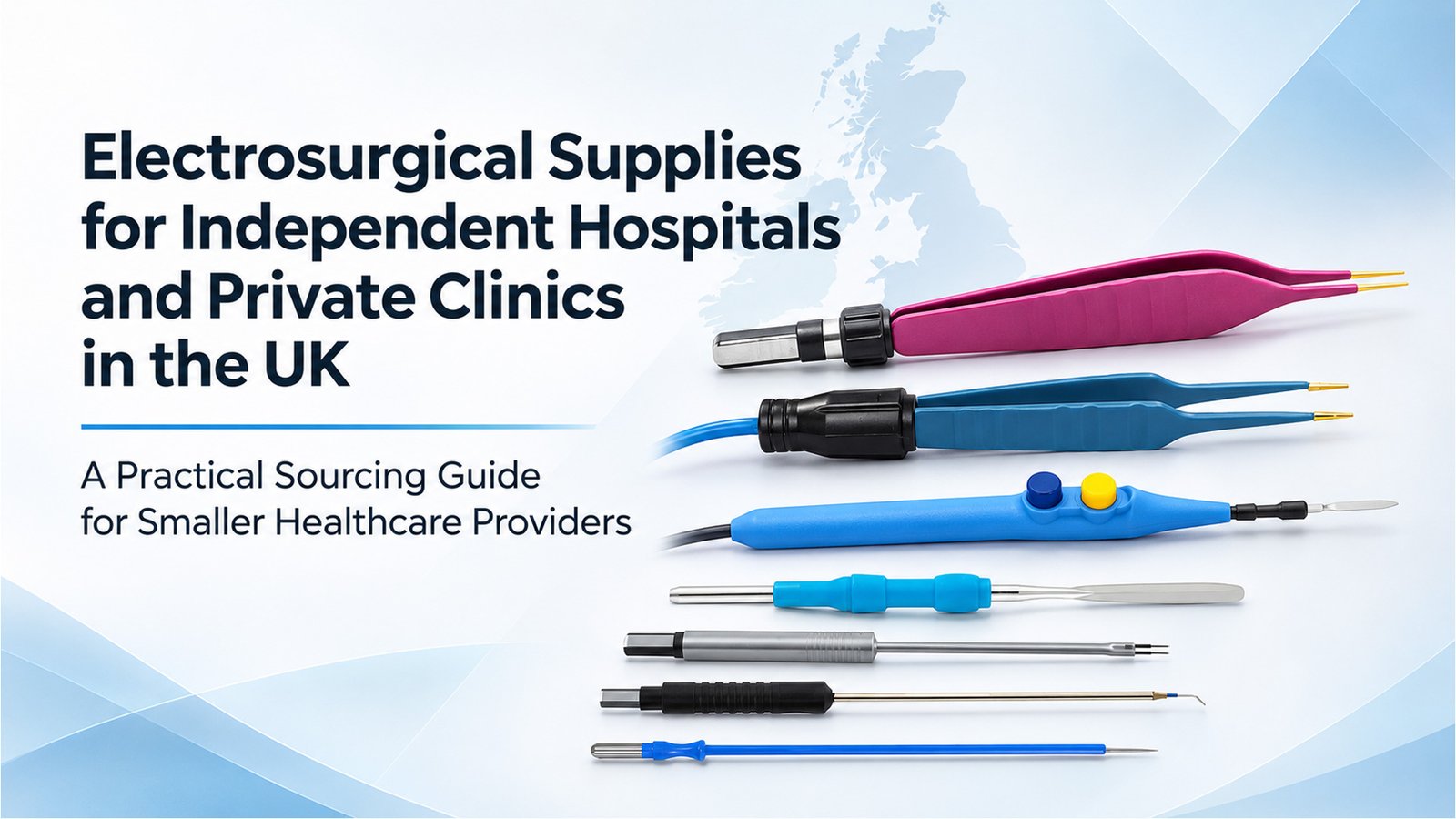
This guide is for UK independent hospitals and private clinics sourcing electrosurgical supplies: bipolar forceps, cautery pencils, electrodes, return electrodes, cables and specialist items. It sets out how to specify each item, how to organise purchasing with a small team, and which documents and regulatory checks matter when buying directly from a manufacturer such as Cosil Instruments.
Quick answer: UK independent hospitals and private clinics should source electrosurgical supplies by starting from each theatre’s generator, specifying every accessory precisely (pattern, length, connector, shaft, size, use status), consolidating suppliers where practical, and keeping a reference-level document file. When buying directly from an overseas manufacturer, confirm the UK Responsible Person and MHRA registration for each device, and agree delivery, pack sizes and support in writing.
How Independent Providers Differ
| Factor | Typical NHS trust | Typical independent provider |
| Purchasing route | Frameworks and central contracts | Direct from manufacturers and distributors |
| Team size | Specialist category buyers | Small team covering all categories |
| Equipment | Often standardised over time | Mixed makes and ages |
| Volumes | Large, predictable | Smaller, varying with case mix |
| Decontamination | In-house or regional SSD | In-house, outsourced or mostly single-use |
These differences make precise specification and a clear document file even more important, because there is less central support to fall back on.
Start From Each Theatre’s Generator
Every electrosurgical accessory must suit the generator it is used with. For each theatre or procedure room, record:
- generator manufacturer and model;
- monopolar and bipolar modes used;
- monopolar, bipolar and return electrode socket types;
- whether return electrode contact monitoring is in use.
That single list decides pencil plugs, bipolar cables or integrated plugs, and the return electrode design. Our electrosurgery equipment compatibility guide explains the checks behind each item.
Key insight: In a mixed-equipment hospital, one generator list is the most valuable procurement document you can keep. Every accessory decision follows from it.
The Core Accessory Set
| Accessory | What to specify | Cosil range |
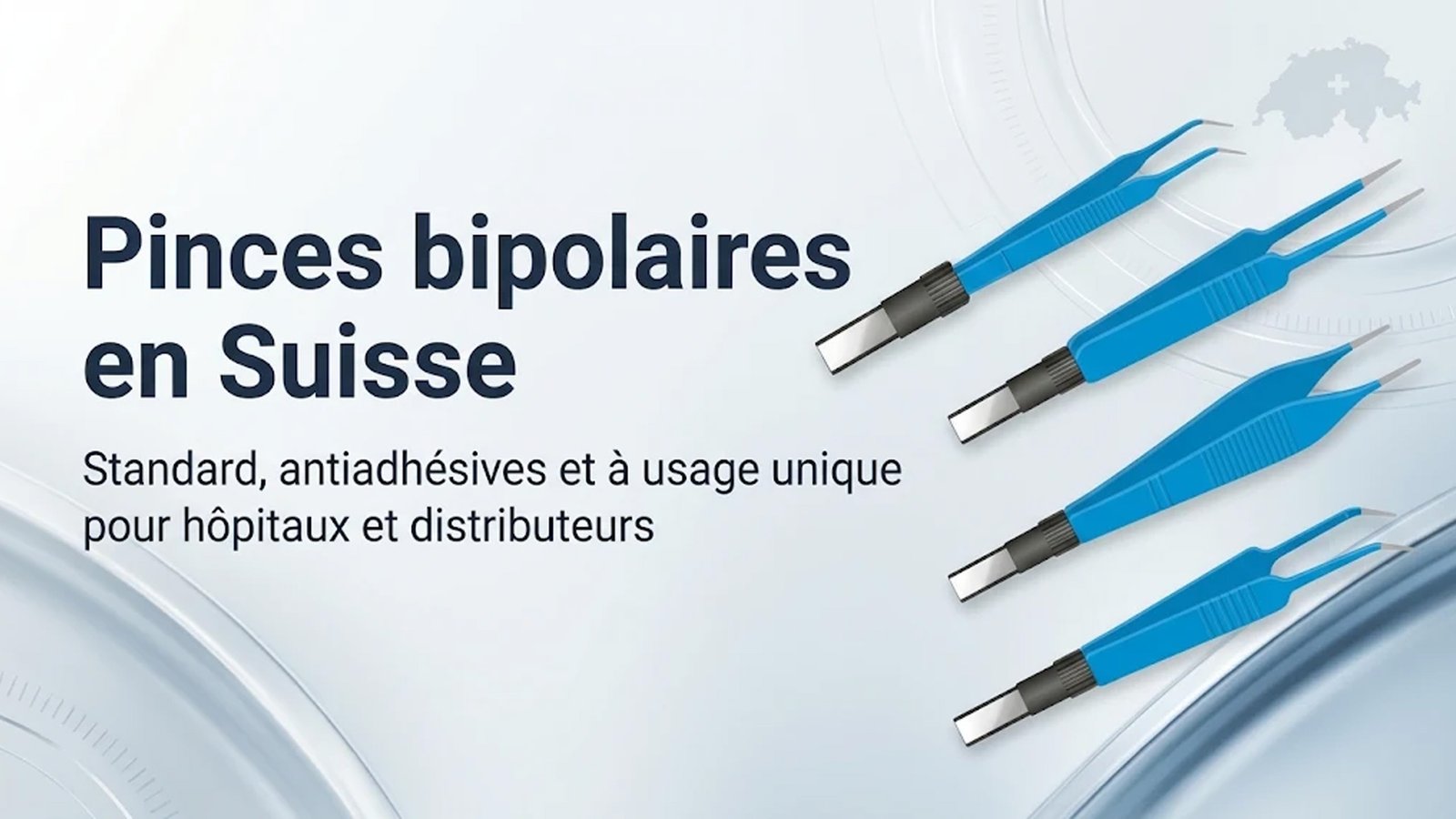
| Bipolar forceps | Pattern, length, tip, connector, reusable or single-use | Bipolar forceps for the UK |
| Cautery pencils | Hand or foot control, cable length, generator plug | Cautery pencils for UK theatres |
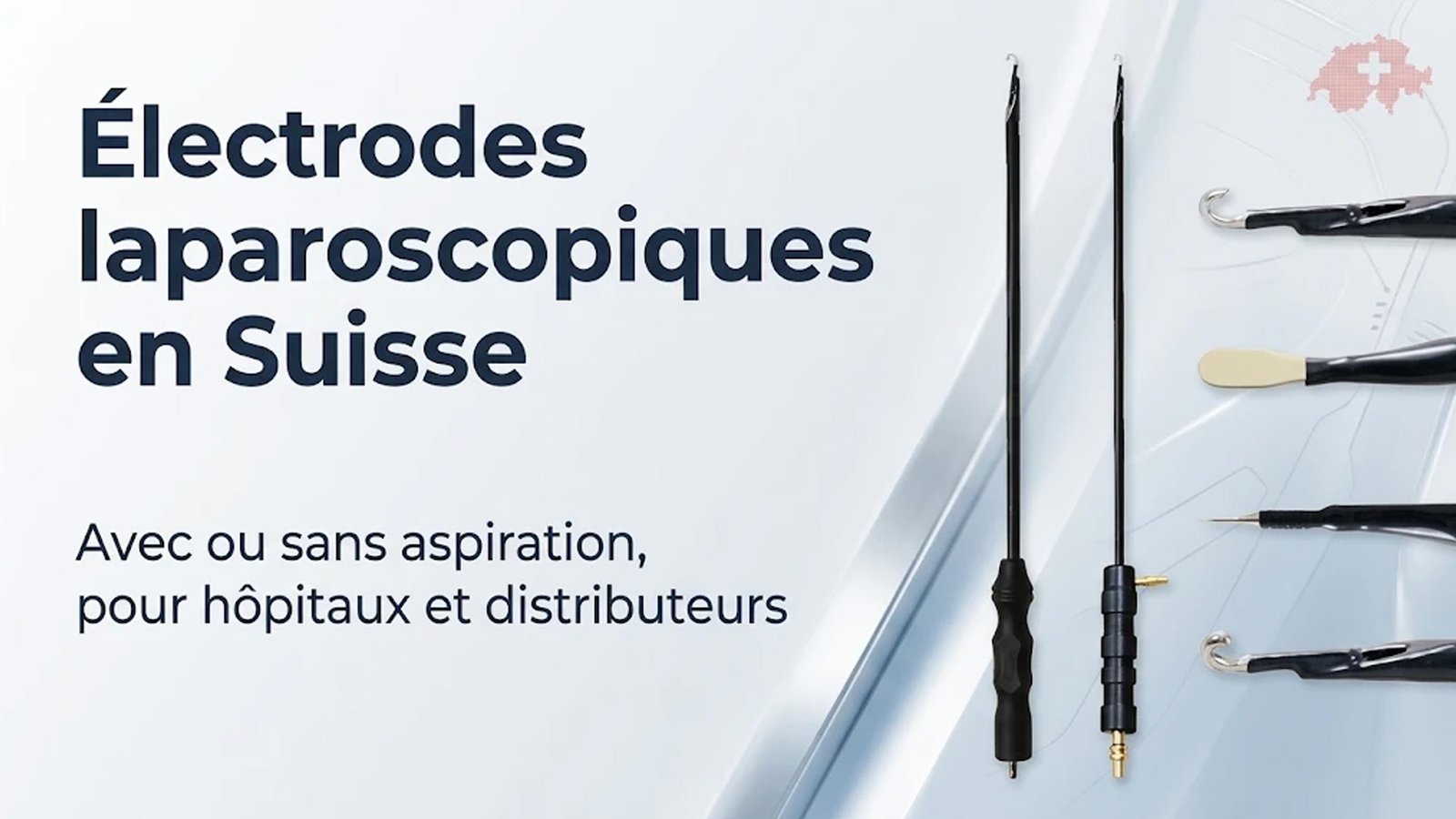
| Electrodes | Working end, dimensions, shaft diameter, length | Diathermy electrodes for UK buyers |
| Return electrodes | Split or single-section, adult or child, connector | Patient return electrodes for the UK |
| Cables | Both ends, length, use status | Cables, plugs and return pads |
Specialist services add their own items: loop electrodes and non-conductive specula for gynaecology, fine-tip and irrigation forceps for plastic surgery and neurosurgery, ENT and arthroscopic electrodes for those specialties.
Reusable or Single-Use for an Independent Provider
Independent providers often weigh this choice differently from NHS trusts:
- In-house decontamination makes reusable instruments practical where volumes justify the instrument pools.
- Outsourced decontamination lengthens turnaround, which may favour single-use for high-turnover items.
- Limited storage favours pack sizes matched to weekly use.
The decision belongs to clinical, infection-prevention and decontamination leads. Procurement’s role is to provide comparable information on both options, including pack sizes, reprocessing instructions and expected life. Our page on single-use forceps for UK buyers covers the single-use bipolar range.
Consolidating Suppliers
Small purchasing teams benefit from fewer suppliers covering more of the range. A manufacturer that supplies forceps, pencils, electrodes, return electrodes and cables can simplify ordering, documentation and compatibility checks. Consolidation works best when:
- product descriptions are consistent across the range;
- reference-level documents are available for every item;
- the supplier understands the provider’s generator list.
Buying Directly From an Overseas Manufacturer
Buying directly from a manufacturer outside the UK can widen choice and allow special lengths or private labelling. It also means the provider should confirm the regulatory chain itself:
- UK Responsible Person: a non-UK manufacturer must appoint one to place devices on the Great Britain market.
- MHRA registration: the UKRP registers the devices; confirm the references you buy are covered.
- Marking and labelling: CE, UKCA or both; UKRP details are required on labelling for UKCA-marked devices.
- Documents: declaration of conformity, labelling, instructions for use, reprocessing information and certificates.
On 21 October 2026 the UK government confirmed it intends to legislate for indefinite recognition of devices CE-marked under the EU MDR, while keeping UKRP, MHRA registration and post-market surveillance requirements. Check the current position when placing contracts.
Cosil Instruments manufactures in Sialkot, Pakistan. Cosil’s website refers to CE certification with SGS Belgium as notified body, ISO 13485:2016 and EUDAMED registration, and notes that MDR certification is in progress. UKRP and MHRA registration details should be confirmed for the specific references you plan to buy. See our quality policy.
Key insight: When buying direct, ask for a one-page regulatory summary per product line: UKRP, registration, marking and document list. It saves time at every audit.
Agreeing Commercial Terms
When buying direct, agree in writing:
- pack sizes and minimum order quantities;
- delivery method and expected lead times;
- payment terms;
- how complaints, returns and incidents will be handled;
- who to contact for technical questions about connectors, reprocessing and compatibility.
Cosil’s website describes shipment of bulk orders by air or sea and small orders by courier, with payment terms stated on the site; confirm the current terms for your order.
A Worked Example: A Three-Theatre Independent Hospital
An independent hospital runs three theatres. Two have the same generator model, bought together; the third has an older unit from a different manufacturer. Its purchasing lead starts with the generator list and finds:
| Theatre | Generator | Effect on accessories |
| 1 and 2 | Same make and model | One set of pencil, bipolar cable and return electrode references serves both |
| 3 | Different make, older model | Separate pencil plug, bipolar connector and return electrode references needed |
The hospital keeps one shared electrode range, because electrode shafts depend on the pencil rather than the generator, and records the two accessory sets separately. When theatre 3’s generator is replaced, the purchasing lead knows exactly which references to review. This example is illustrative; each hospital’s list depends on its own equipment and policies.
Common Pitfalls for Small Purchasing Teams
- Buying by catalogue picture instead of by reference code and connector.
- One stock code for several generators, which hides incompatibilities until a list starts.
- Reusable instruments without a confirmed decontamination route, particularly where decontamination is outsourced.
- Documents gathered at audit time rather than at approval.
- No review when equipment changes, so old accessory references stay on the order list.
Frequently Asked Questions
How should a small private hospital start organising electrosurgical purchasing?
Begin with a list of every generator, by theatre, with its sockets and modes. Specify each accessory against that list.
Is it better to buy from distributors or directly from manufacturers?
Both can work. Distributors may hold local stock and handle regulatory checks; direct purchasing can widen choice. Either way, confirm the regulatory chain and documents.
What regulatory checks apply when buying directly from an overseas manufacturer?
Confirm the UK Responsible Person, MHRA registration, marking, labelling and reference-level documents for each device.
Should independent providers use single-use accessories?
It depends on decontamination arrangements, volumes and clinical policy. Single-use items are often considered where reprocessing turnaround is long.
Can Cosil supply private-label products?
Cosil offers OEM and private-label manufacturing and notes that special lengths, tips and colours can be produced to order.
What documents should be kept on file?
Declaration of conformity, labelling, instructions for use, reprocessing information, certificates and the UKRP and registration summary for each product line.
Small Team, Clear System
Independent hospitals and private clinics can source electrosurgical supplies efficiently with a generator list, precise specifications, a consolidated supplier base and a well-kept document file. Those four elements do much of the work a larger procurement department would otherwise provide.
Sourcing electrosurgical supplies for a UK independent hospital or private clinic? Contact Cosil Instruments at sales@cosilinstruments.com or +92 331 732 7777, or send your generator list, to request matched references and a quotation.